Heavy Legs at the End of the Day: Simple Habits for the Evening and the Morning After
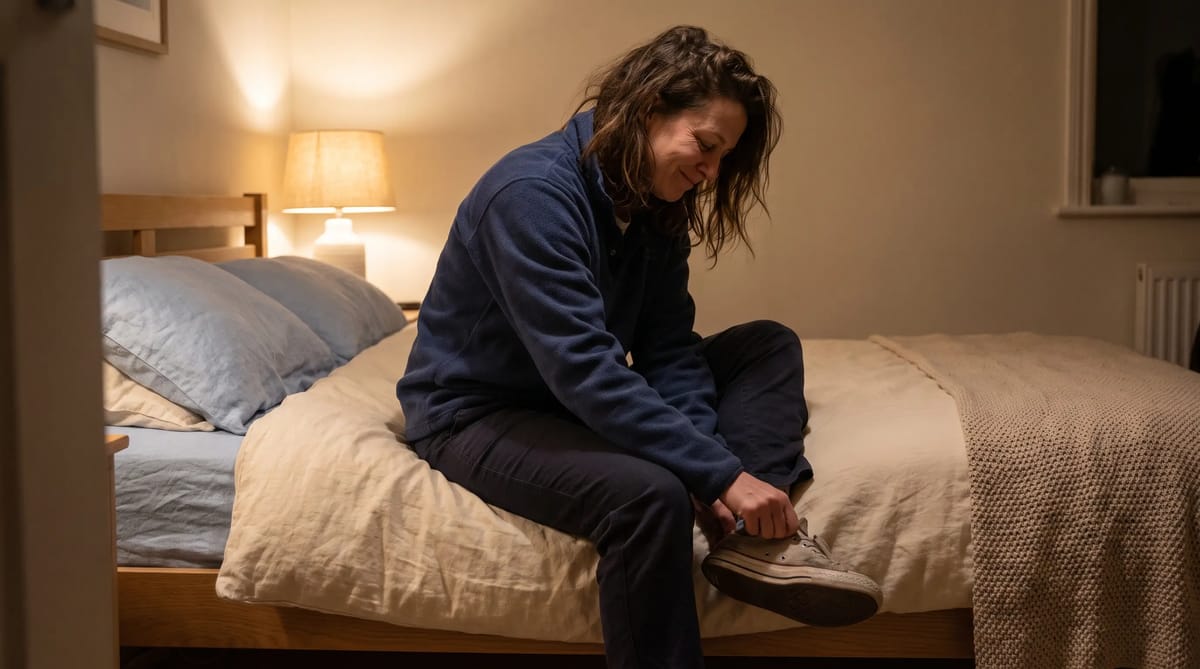
The short answerHeavy legs at the end of the day are a common feeling after hours of standing or sitting without much movement. What usually helps is a mix of small habits: raising your legs and a short walk in the evening, movement breaks and drinking water during the day, comfortable shoes, and graduated compression socks put on in the morning. Heaviness in only one leg, swelling that doesn't go away, or pain – see a doctor.
In brief
- Evening: raise your legs for 10–15 minutes, do ankle movements and take a short walk.
- Morning: graduated compression socks before your legs swell, and comfortable cushioned shoes.
- At work: don't stay in one position – take a short movement break every 45–60 minutes.
- Swelling in one leg, pain, redness or shortness of breath – see a doctor.
Why do your legs feel heavy at the end of the day?
Heavy legs usually show up after long hours of standing or sitting without much movement. In the evening you feel it as tiredness, heaviness and sometimes a little puffiness around the ankles.
It happens a lot in jobs on your feet, during long hours at a computer, on long journeys and on hot days. For most people the feeling improves after rest and a night's sleep.
In this guide we'll focus on the hours after work and the morning after: simple habits that need no special equipment, and a little equipment that can add comfort.
What to do in the evening when your legs feel heavy
The first step is to rest your legs up high, then add some gentle movement. A few minutes is enough to feel a difference.
- Raise your legs. Lie down with your legs on a pillow or the arm of the sofa, slightly above heart level, for 10–15 minutes.
- Ankle movements. Point and flex your feet, and circle your ankles, 10–15 times in each direction.
- A short walk. A 10-minute stroll after dinner gets your calves moving after a day of standing still.
- A pleasant shower. Many people feel better with lukewarm water on their legs, rather than very hot water.
- Gentle massage. By hand, from the ankle up toward the knee, or with a massage device.
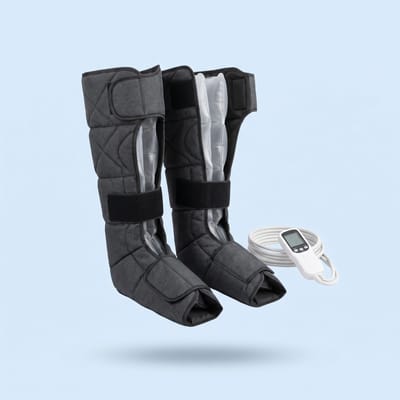
If you like an effortless massage, you can try an air compression leg massager that wraps around your calves, for 15–20 minutes while sitting comfortably. How to use it and who it isn't suitable for is covered in our guide to the air compression leg massager.
How to start the morning so the evening feels easier
What you do in the morning affects how your legs feel in the evening. Three habits are especially worthwhile:
- Graduated compression socks first thing. Put them on before your legs swell, before you leave the house.
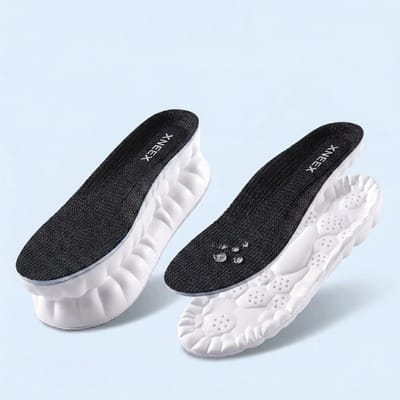
- Comfortable cushioned shoes. A stable shoe with cushioned insoles makes hours of standing more comfortable.
- A water bottle within reach. Drinking throughout the day is a basic habit that's good for your whole body.
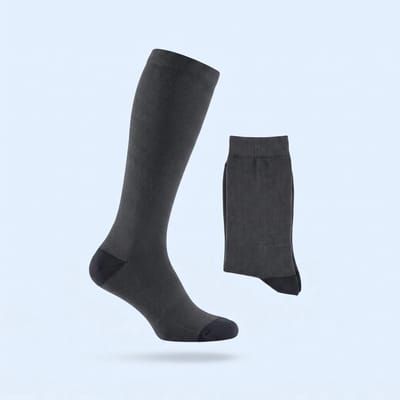
XNEEX VeinFlow™ compression socks are made with 15–20 mmHg graduated compression – firmer at the ankle and lighter toward the top. Roll them up from the toes, smooth them out with no wrinkles, and take them off before bed.
They're made from breathable fabric with a ventilation panel, and the wide band at the top doesn't pinch or slip. The look is neutral, so they suit women and men, even under trousers.
What to do during the workday
The goal is simple: don't stay in the same position for too long. Small, regular movement beats one big effort.
- If you work standing – shift your weight from leg to leg, and rise onto your toes and lower down, 10 times every hour.
- If you work sitting – stand up for a few minutes every 45–60 minutes, and move your ankles while seated too.
- On a long drive or flight – get up and walk when you can, move your feet and drink water.
- On hot days – choose clothes and shoes that don't pinch, and give your legs breaks in the shade.
What does a leg-friendly daily schedule look like?
The table sums up habits by time of day. You don't need to adopt them all at once – start with two or three.
| Time of day | What to do | What can add comfort |
|---|---|---|
| Morning | Put on socks before your legs swell, drink water | Graduated compression socks |
| Work hours | Movement breaks, ankle movements, shifting your weight | Cushioned insoles in your shoes |
| After work | A short 10-minute walk | Comfortable shoes |
| Evening | Raise your legs for 10–15 minutes, gentle massage | An air compression massager |
| Before bed | Take off the socks, a pleasant shower | A pillow under your legs, if that's comfortable for you |
When are heavy legs a reason to get checked?
Most of the time it's just the tiredness of a long day. But there are signs you shouldn't wait on.
You'll find more ideas for days of long standing in our guide to tired feet, and all our leg and foot products in the Feet & Legs collection.
Have a question about sizing or what suits you? Email us at hello@getxneex.com – real people will answer.
Frequently asked questions
Why do my legs feel heavy at the end of the day?
Long periods of standing or sitting without much movement, heat and long hours on your feet are common reasons for heavy, tired legs in the evening. The feeling usually improves with rest, raising your legs and gentle movement. If it comes back every day or gets worse, it's worth talking to a doctor.
When should I put on graduated compression socks?
In the morning, before your legs swell, and take them off before bed. Roll the sock up from the toes and smooth it out with no wrinkles. If you notice numbness, paleness or pain – take them off right away. If you have diabetes or circulation problems, talk to a doctor first.
How long should I raise my legs in the evening?
Usually 10–15 minutes is enough to feel more comfortable. Lie on your back and rest your legs on a pillow or the arm of the sofa, slightly above heart level. You can add gentle ankle movements at the same time.
Can insoles help with heavy legs?
Cushioned insoles can add comfort and a feeling of support during hours of standing and walking, especially in a stable shoe. They're one part of the picture, alongside movement breaks, drinking water and raising your legs in the evening. Heaviness that doesn't improve with simple habits is worth getting checked by a doctor.
Is leg massage suitable for everyone?
No. Air compression massage is not suitable if you have a blood clot or a suspected clot, inflamed veins, open wounds, a recent fracture or are pregnant. If you have heart problems, diabetes, high blood pressure or circulation problems, talk to a doctor before using it.
More from the Knowledge Center
Air Compression Leg Massager: How to Use It Right and Who It Isn't ForTired Feet After Standing All Day – The Complete GuideGraduated Compression Socks: Who They Suit and What 15–20 mmHg MeansAll articles →This article is general information and is not a substitute for medical advice.