Tired Feet After Standing for Long Hours – The Complete Guide

The short answerTired feet after standing for long hours usually come from a mix of constant load on the same spots, shoes that don't give enough support and too few breaks. What helps is a combination of suitable shoes, cushioned and supportive insoles, changing position throughout the day, and a short relaxation routine in the evening – stretches, massage and putting your feet up.
In brief
- Tired feet at the end of the day are very common for people who work standing or walking.
- The right shoes and insoles are the foundation – small habits during the day come next.
- A 10–15 minute evening routine can leave your feet feeling lighter and fresher.
- Sharp pain, swelling that doesn't go away or numbness – a reason to get checked.
Why do my feet feel tired after a day of standing?
When you stand for hours, the same spots on your feet carry your body weight almost nonstop. The small muscles in your feet and calves work constantly to keep you stable, and by the end of the day they feel it.
A few things make the feeling stronger:
- Hard surfaces – concrete floors, tiles or retail floors.
- Flat or worn-out shoes – with no cushioning and no arch support.
- Standing still – standing in one place is sometimes more tiring than walking.
- Heat – on hot days, legs tend to feel heavier.
What helps tired feet during the workday?
The first step is to break up the stillness: move, change position and give your feet short breaks. Then take care of the foundation – what's inside your shoe.
- Shift your weight between your feet every few minutes, and if you can, rest one foot on a low step.
- Rise up onto your toes and back down 10–15 times, a few times a day.
- Circle your ankles in both directions, especially after long periods of sitting or standing.
- Sit down for a short break when you can, and put your feet up even for a minute or two.
- Drink water throughout the day, especially in hot weather.
How do I choose shoes and insoles for standing all day?
A good shoe for long hours on your feet has a shock-absorbing sole, room for your toes and a stable heel. A cushioned insole adds a layer of softness and support inside the shoe you already have.
| What to check | Why it matters |
|---|---|
| Cushioning in the sole or insole | For a softer feel with every step on a hard surface |
| Arch support | For a more comfortable spread of load across the whole foot |
| A roomy toe box | Squeezed toes get tired faster |
| Condition of the shoe | A worn-out sole loses its shock absorption |
| Size at the end of the day | Feet tend to spread toward evening – that's a good time to try shoes on |
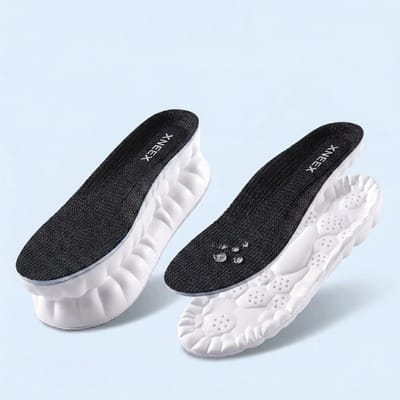
If your shoes are good but your feet are still tired, insoles are worth considering. A pair of CloudStep™ insoles combines cushioning with support in every step, and suits long hours of standing and walking. You'll find more on choosing insoles in our article Insoles for standing all day – how to choose.
What can I do in the evening so my feet feel lighter?
A short 10–15 minute routine in the evening can make a big difference to how your feet feel. The goal is to relax the muscles and let your feet rest.
Simple stretches
- Calf stretch: stand facing a wall, one leg back with the heel on the floor, and lean forward for about 30 seconds.
- Ball roll: while sitting, roll a tennis ball under your foot, from heel to toes.
- Toe stretch: gently pull your toes upward and release.
Putting your feet up and massage
Lie down with your feet raised on a pillow or against the wall for a few minutes. Many people find this leaves their legs feeling lighter.
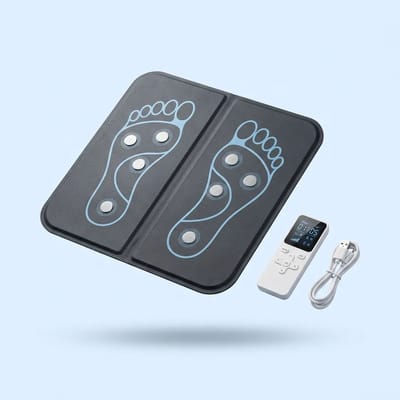
A foot massage is a pleasant way to end the day. A massage pad like XNEEX FootPulse™ gently stimulates the muscles of your feet for a feeling of relief and freshness, in about 15 minutes a day. You'll find details on using it in our article Foot massage at home after a day on your feet.
Which common mistakes should I stop making?
Sometimes the biggest change comes from what you stop doing. Here are a few habits worth checking:
- Walking barefoot on hard floors all evening – after a day of standing, slippers with a soft sole feel nicer.
- Sticking with a worn-out shoe "because it's comfortable" – the comfort of an old shoe is sometimes just a sole that has softened and lost its support.
- Switching to a new shoe for a full day all at once – it's better to break it in gradually, a few hours at a time.
- Skipping breaks – even a minute of sitting or moving every hour adds up over the day.
What's right for you? A quick buying guide
The choice depends on what bothers you most and when you feel the tiredness.
| Your situation | What to consider |
|---|---|
| You stand or walk a lot at work | Cushioned insoles for a feeling of support during the day |
| Tired, tight feet in the evening | A foot massage pad, at home |
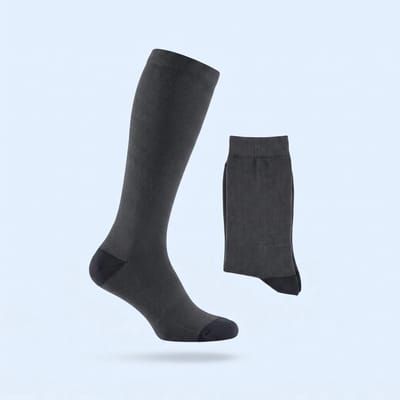
| Heavy-feeling legs after a long day | Graduated compression socks, putting your feet up and movement |
Not sure what's right for you? Email us at hello@getxneex.com – real people reply. You'll find all our foot products in the Feet & Legs collection.
Frequently asked questions
Why do my feet hurt at the end of a workday on my feet?
Standing for long periods loads the same spots on your feet for hours, and the small muscles work nonstop to keep you stable. Hard surfaces, worn-out shoes and standing in one place make the feeling stronger. Movement, suitable shoes and a cushioned insole can help you feel more comfortable.
Do insoles help with tired feet?
Cushioned insoles add softness and support inside the shoe, and many people find them more comfortable for long hours of standing and walking. They work best in a shoe that's in good condition and the right size. If you have sharp or ongoing pain, it's worth getting checked to see whether you need a custom solution.
What can I do at home for tired feet?
A 10–15 minute evening routine: a calf stretch against a wall, rolling a tennis ball under your foot, putting your feet up for a few minutes and a gentle massage. A foot massage pad can help too. It's important to start gently and listen to your body.
Which shoes are best for standing all day?
Look for a shoe with a shock-absorbing sole, a stable heel, arch support and a roomy toe box. Try shoes on toward the end of the day, when your feet are slightly wider. Replace your shoes when the sole is worn, because it loses its shock absorption over time.
When do tired feet need a checkup?
When you have sharp pain, swelling that doesn't go away, numbness or tingling, a change in skin color, a sore that won't heal, or pain that gets worse despite rest. In these cases, see a doctor or physical therapist. People with diabetes should be especially careful to have their feet checked.
More from the Knowledge Center
Insoles for standing all day – how to choose and what to check →Foot massage at home after a day on your feet – how to do it right →Sitting for long hours and your back: quick moves you can do at your desk →All articles →This article is general information and is not a substitute for medical advice.