Graduated Compression Socks: Who They Suit and What 15–20 mmHg Means

The short answerGraduated compression socks press firmest at the ankle and ease off as they move up the leg. A 15–20 mmHg level is the standard choice for everyday wear and suits people whose legs feel heavy and tired after a day on their feet, a long drive or a flight. Put them on in the morning, before your legs swell, and take them off before bed. If you have diabetes, circulation problems or advanced varicose veins, talk to your doctor first.
In brief
- Graduated compression = firmer at the ankle, gentler higher up.
- 15–20 mmHg is the standard level for everyday wear.
- Put them on in the morning, roll up from the toes and smooth out any wrinkles; take them off before bed.
- Diabetes, circulation problems or advanced varicose veins – see a doctor first.
What are graduated compression socks and how do they work?
Graduated compression socks are snug socks whose pressure changes along the leg: strongest at the ankle, then gradually lighter toward the top. That gradual change is exactly what sets them apart from regular socks.
Plenty of people describe heavy, tired or slightly puffy legs at the end of a long day. The close, even support of the sock is designed to help your legs feel more comfortable and lighter throughout the day.
What does 15–20 mmHg mean?
mmHg (millimeters of mercury) is a unit for measuring pressure. The 15–20 mmHg range is the standard compression level for everyday wear, no prescription needed.
Higher compression levels are usually chosen on a doctor's advice, based on your personal situation. If someone has recommended a different level for you, follow their advice.
| Sock type | How it feels | Who it suits |
|---|---|---|
| Regular sock | No intentional pressure | Normal daily wear |
| 15–20 mmHg compression socks | Pleasant graduated pressure, firmer at the ankle | Long hours standing, driving, flights |
| Higher compression levels | Noticeably firm pressure | Only on a doctor's recommendation |
Who are they for?
Anyone whose legs feel heavy and tired after long hours without much movement. Three situations stand out:
- Jobs on your feet: retail staff, healthcare workers, hairdressers, cooks, teachers – anyone who stands most of the day.
- Long drives: professional drivers and people with long commutes.
- Flights: hours of cramped sitting with no room to move your legs.
Even with compression socks, movement matters. When standing, shift your weight from one leg to the other and rise onto your toes now and then; on a drive, stop for a short break; on a flight, get up and walk the aisle and circle your ankles while seated.
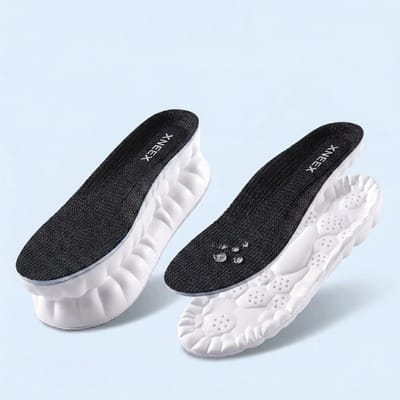
If you stand a lot, you can also add CloudStep™ insoles for softness and support with every step. We cover tired feet in general in this guide.
How to put compression socks on correctly
Put them on in the morning, before your legs swell, rolling the sock up from the toes. Once it's on, smooth the fabric so there are no wrinkles left.
- Sit comfortably, with dry feet.
- Gather the sock down to the heel, slip your foot in and line up the heel.
- Roll the sock up slowly, without yanking on the top band.
- Smooth the fabric with your palms to work out wrinkles – a wrinkle creates pressure in one spot.
- Make sure the top band sits flat and isn't rolled over.
How do you know the sock is sitting right?
The sock should feel snug and supportive, but not painful. Your toes stay warm and a normal color, and the fabric is smooth all the way up.
- No wrinkles behind the knee or at the ankle.
- The heel of the sock sits exactly on your heel.
- The top band isn't rolled and doesn't dig into your skin.
- After a few minutes you barely notice it's there.
If any of these isn't right, take the sock off and put it on again. It usually just takes a few days of practice.
And how do you take them off?
Fold the sock down from the top band, turning it inside out like a sleeve, and ease it over the heel. Take them off before bed – everyday socks are meant for waking hours.
What to look for in everyday compression socks
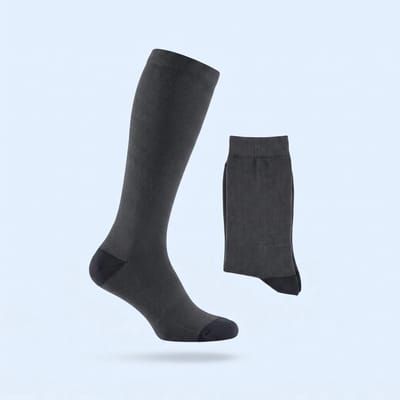
Graduated compression at a defined level, breathable fabric and a top band that doesn't pinch or slide down. You'll find all of these in XNEEX VeinFlow™.
- 15–20 mmHg graduated compression.
- Breathable nylon-spandex knit with a ventilation panel.
- Reinforced heel and toe.
- Wide top band that doesn't pinch or slip down.
- Neutral look for men and women that fits under trousers.
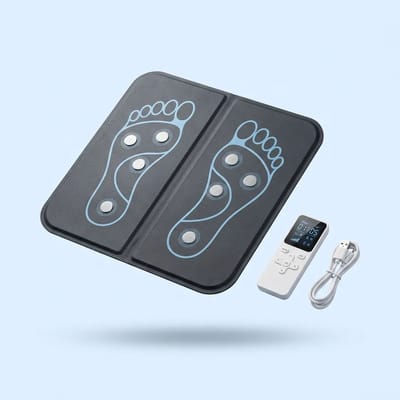
In the evening, once the socks come off, you can round off the day with the FootPulse™ massage mat for a refreshed feeling in your feet. See more products in our Feet & Legs collection, and tips for days with lots of walking in our guide to feet after a long walk.
A question before you order? Email us at hello@getxneex.com. And if it's not right for you – 30-day returns, no questions asked.
Who should talk to a doctor before wearing compression socks?
They're not right for everyone. VeinFlow is not a medical device, and there are situations where you shouldn't wear them at all, or only after getting advice.
Frequently asked questions
How many hours a day can I wear compression socks?
Everyday compression socks are worn during waking hours: from the morning, before your legs swell, until the evening. Take them off before bed. If you notice numbness, paleness or pain while wearing them, take them off right away, and if it keeps happening, talk to a doctor.
Should I wear compression socks on a flight?
Many people wear graduated compression socks on long flights, because hours of cramped sitting can leave legs feeling heavy. Put them on before you leave home, get up from time to time during the flight and drink water. If you have a circulation problem or diabetes, talk to a doctor first.
Are compression socks suitable for men too?
Yes. They're not a women's product at all. VeinFlow comes in a neutral look that suits men and women and fits comfortably under trousers, so you can wear them to work, on a drive or on a flight without anyone noticing.
Why does the sock wrinkle or slide down?
Usually the sock wasn't smoothed out properly after putting it on, or the top band has rolled over. Roll it up again from the toes, smooth the fabric with your palms so there are no wrinkles, and make sure the band sits flat. A single wrinkle creates uncomfortable pressure in one spot, so it's worth fixing right away.
Can I sleep in compression socks?
Everyday compression socks like VeinFlow are designed for daytime and should come off before bed. At night your legs are lying down, so the need for compression is different. If a doctor has advised you otherwise because of a specific condition, follow their advice.
More from the Knowledge Center
Tired Feet After Standing All Day – The Complete GuideInsoles for Standing All Day – How to ChooseFeet After a Long Walk: How to Prepare and What to Do in the EveningAll articles →This article is general information and is not a substitute for medical advice.