Stiff Back and Tired Muscles: A Guide to What Helps at Home and at Work
The short answerA stiff back and tired muscles usually come from a mix of long hours sitting, unusual effort and everyday stress. What helps most people feel better is a combination of gentle movement throughout the day, setting up your seating properly, and time to relax at home – heat, massage or lying down calmly. Sharp pain, numbness or pain that gets worse needs a professional checkup.
In brief
- An everyday stiff back is usually linked to posture, lack of movement and strain.
- Gentle movement is usually better than complete bed rest.
- Heat and massage at home suit relaxing tired muscles, not a fresh injury.
- Sharp pain, numbness or pain that gets worse – see a doctor or physical therapist.
What causes a stiff back and tired muscles?
In most cases a stiff back is the result of accumulated strain: hours sitting in the same position, an awkward lift, a night on the wrong pillow or just a stressful day. The muscles get tired and respond with stiffness.
The most common causes:
- Sitting for long periods at a computer or driving, with a rounded back and your head pushed forward.
- Unusual effort – moving house, gardening, lifting kids or a workout you're not used to.
- Standing for long periods at work, especially on a hard surface.
- Stress and fatigue, which tend to show up in the shoulders, neck and upper back.
- Sleeping in an awkward position or on a mattress and pillow that don't suit you.
Understanding the cause helps you choose what to do. If you sit most of the day, you mainly need movement; if you've done something unusually strenuous, you mainly need recovery time and relaxation.
How do I ease a stiff back at home?
The short answer: keep moving gently, give your muscles time to relax and avoid heavy effort for a few days. Lying in bed all day usually increases stiffness.
- Light walking: several short walks throughout the day are better than one long one.
- Gentle movements: pelvic tilts lying down, pulling one knee to your chest, gently rotating your torso – within a comfortable range only.
- Heat: a warm shower or local heat for 15–20 minutes to relax stiff muscles.
- Massage: gentle massage around the stiff area, not hard pressure on a painful spot.
- Sleep: when lying on your side, a pillow between your knees can make your lower back feel more comfortable.
How does sitting affect my back – and what should I change?
If you sit most of the day, you'll get the most benefit from getting up every 30–45 minutes and setting up a workstation where your lower back is supported and the screen is at eye level.
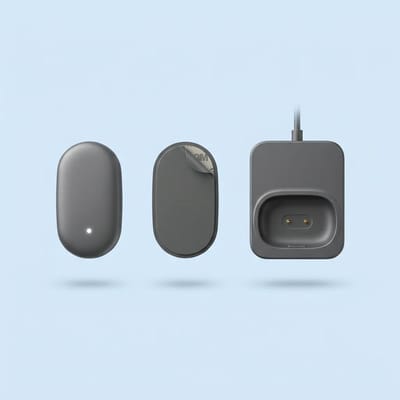
We've detailed movements you can do at your desk in our guide to long hours sitting and quick back moves. If you struggle to remember to sit up straight, the PosturePro posture trainer is a small sensor that attaches to your upper back and vibrates gently when you slouch.
Heat, massage or acupressure – which suits whom?
All three tools are designed to help tired muscles relax and feel more comfortable. The difference is mainly the kind of sensation and when you use them.
| What you want | What fits | When and how |
|---|---|---|
| Unwinding at the end of a day of sitting | Heated massage cushion | 15–20 minutes, on a chair or in bed |
| Loosening up on a long drive | Massage cushion with a car adapter | During a stop or as a passenger, for a set time |
| Quiet, breathing and lying down calmly | Acupressure mat | About 20 minutes a day, on a stable surface |
| Stiff muscles after effort | Local heat | After the first 48 hours, not on swelling |
| Remembering to sit up straight | Posture trainer | During work hours, as a reminder |
Heated back massage cushion
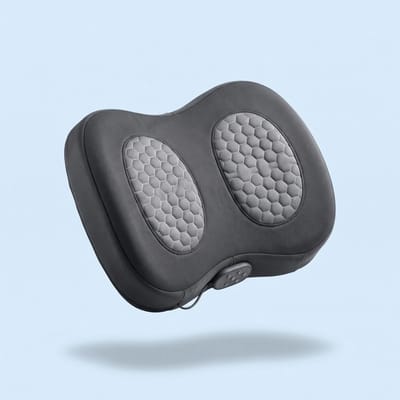
The BackWave massage cushion sits on a chair or bed and combines rotating shiatsu massage, heat and vibration – together or separately. Its ergonomic shape follows the curve of the lower back, and it comes with a 12V car adapter. We recommend 15–20 minutes, once or twice a day.
Acupressure mat
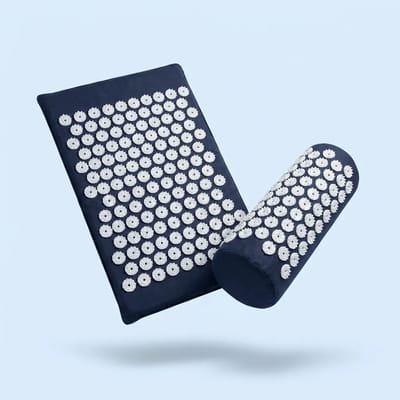
The AcuMat has more than 6,000 acupressure points along the back and a matching neck pillow. In the first few minutes you'll feel a prickling sensation, which usually turns into a pleasant feeling of warmth. All the details are in our guide Acupressure Mat – How to Use It.
You'll find all the products in the Back collection. Want help choosing? Email us at hello@getxneex.com and real people will answer.
Which everyday habits help your back over time?
What you do every day affects your back more than any one-off fix. Small, consistent habits are the foundation.
- Lift correctly: bend your knees, bring the object close to your body and don't twist your torso while lifting.
- Spread the load: split shopping between both hands and choose a backpack over a heavy shoulder bag.
- Move every day: walking, swimming or easy cycling – an activity you enjoy, so you'll stick with it.
- Check your sleep setup: a pillow at the right height for your sleeping position, and a mattress that doesn't sag in the middle.
- Slow down: a few minutes of slow breathing in the evening helps release tension that builds up in your shoulders and back.
What shouldn't I do when my back is stiff?
Some common habits actually make it harder for your back to loosen up:
- Lying in bed all day without moving.
- Lifting heavy weights or twisting your torso sharply.
- Pressing very hard on a painful spot.
- Using heat on fresh swelling or right after an injury.
Frequently asked questions
How long does it take for a stiff back to loosen up?
For most people, an everyday stiff back improves gradually within a few days, especially if you keep moving gently. If there's no improvement after a few days, the pain gets worse, or numbness and weakness appear, see a doctor or physical therapist.
Is it better to rest or move when my back is stiff?
It's usually better to keep moving gently. Short walks and movements within a comfortable range keep you flexible, while lying down for long periods tends to increase stiffness. What you should avoid is heavy lifting, sharp twisting and effort that triggers sharp pain.
Heat or cold for a stiff back?
For stiff, tired muscles, heat tends to feel more pleasant and helps them relax. In the first 48 hours after an injury, or when there's swelling, cold is a better fit. If you're not sure what suits your situation, ask a doctor or physical therapist.
How long can I use a back massage cushion?
We recommend using the BackWave massage cushion for 15–20 minutes, once or twice a day. It's not suitable during pregnancy, with a pacemaker, on broken skin or on a fresh injury. If you have a herniated disc, osteoporosis or have had back surgery, check with a doctor first.
Is an acupressure mat suitable for everyone?
No. The AcuMat acupressure mat isn't recommended during pregnancy, with skin conditions, if you take blood thinners or have uncontrolled diabetes. If it does suit you, start with a thin shirt and a short session, and gradually build up to about 20 minutes a day.
More from the Knowledge Center
Long hours sitting and your back: quick moves you can do at your desk →Heated back massage cushion: how to use it properly at home and in the car →Acupressure mat: how to use it properly and who it isn't for →All articles →This article is general information and is not a substitute for medical advice.